


Afton Dash FPR-112
Intro
There are many ways to add resistance to a sprint: rubber bands, sleds, parachutes. Each of them changes how the athlete moves. The Afton Dash FPR-112 is the only one that mimics the natural resistance an athlete feels when free running, and amplifies it.
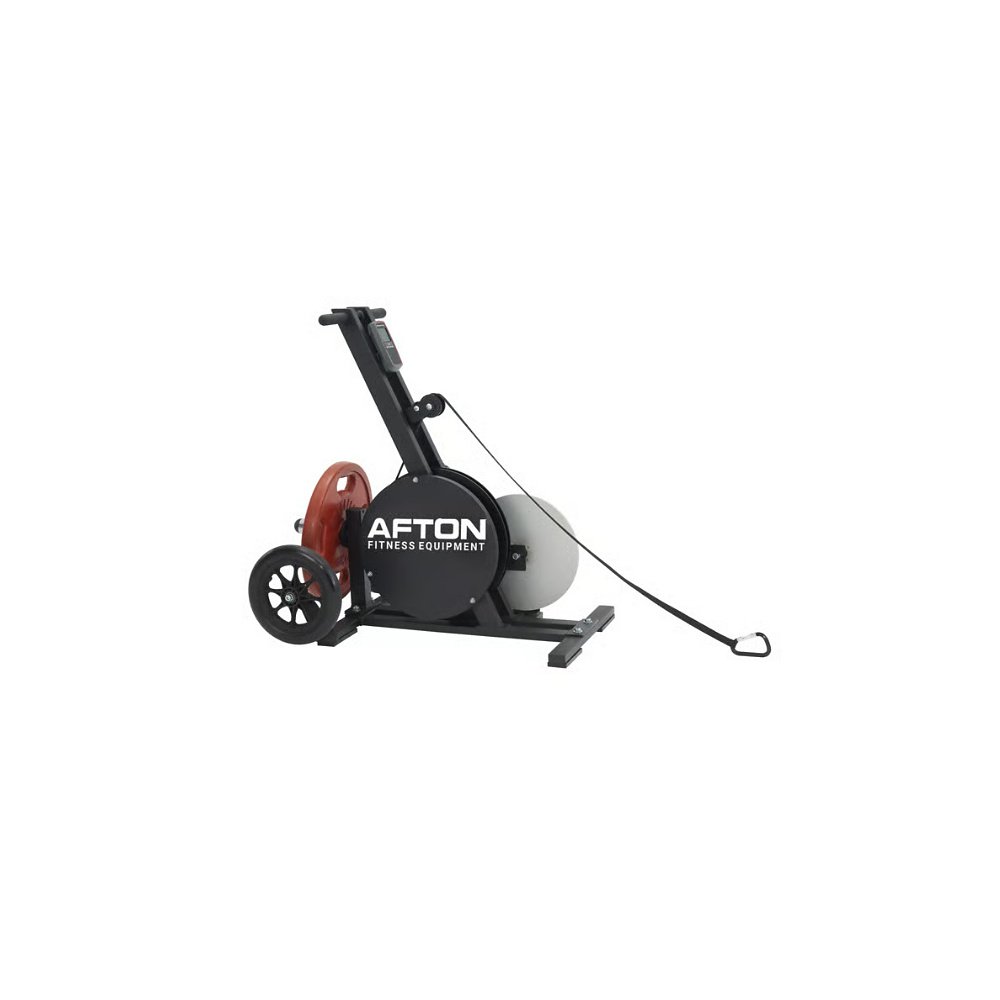
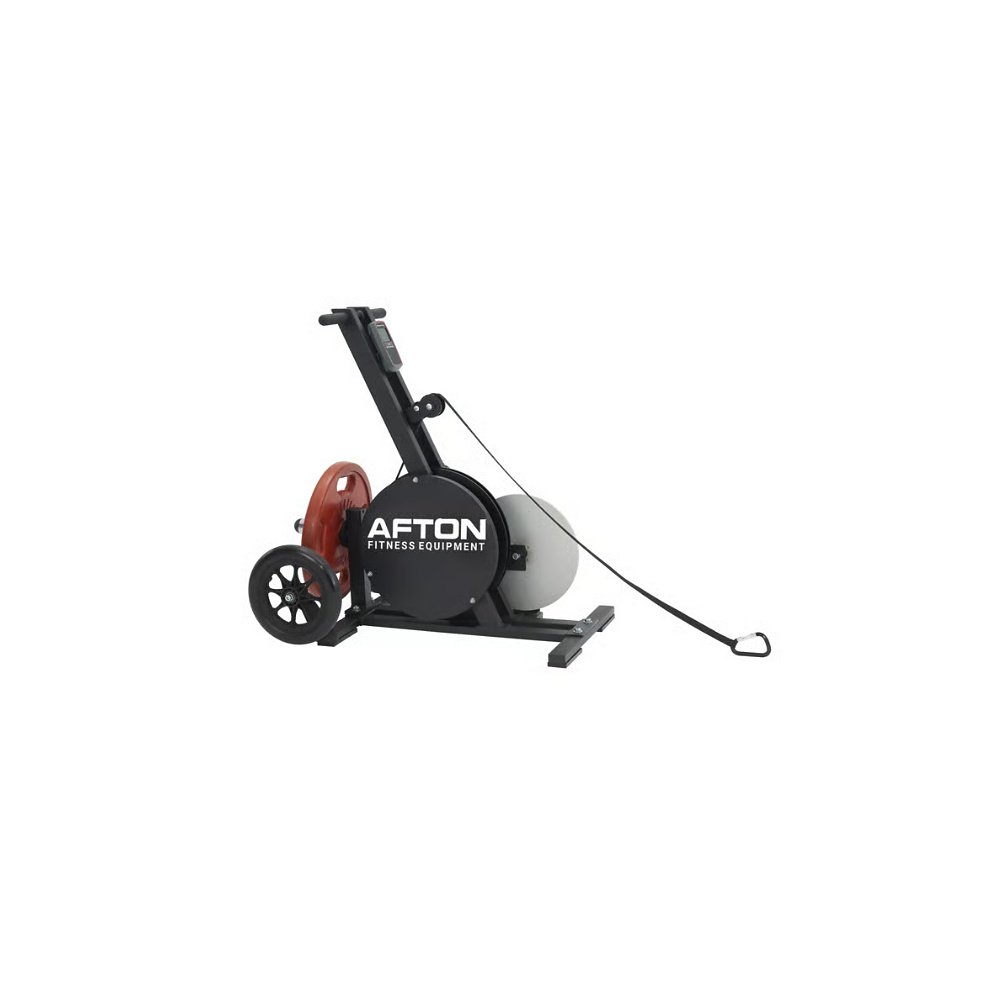
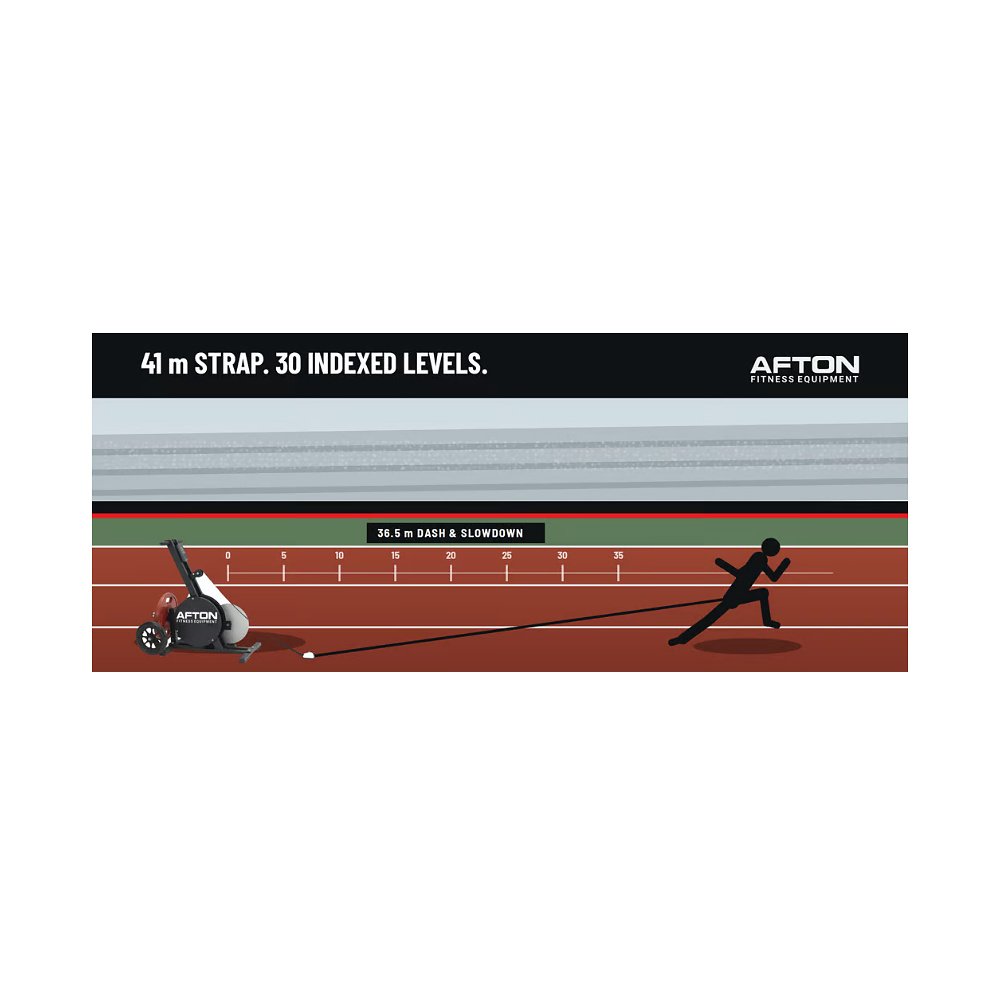
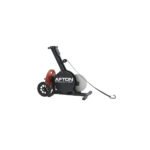
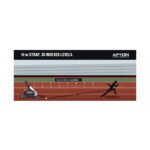
A 20 kg steel flywheel supplies the resistance. A knob sets it across 30 discrete levels, shown on a digital display. The strap runs 41 m and retracts under control, giving a full 36.5 m dash and slowdown before anything has to be reset. Because the level is a number rather than a pile of plates, the same stimulus is reproduced next week, on the next athlete, and in the next facility.
How the resistance behaves
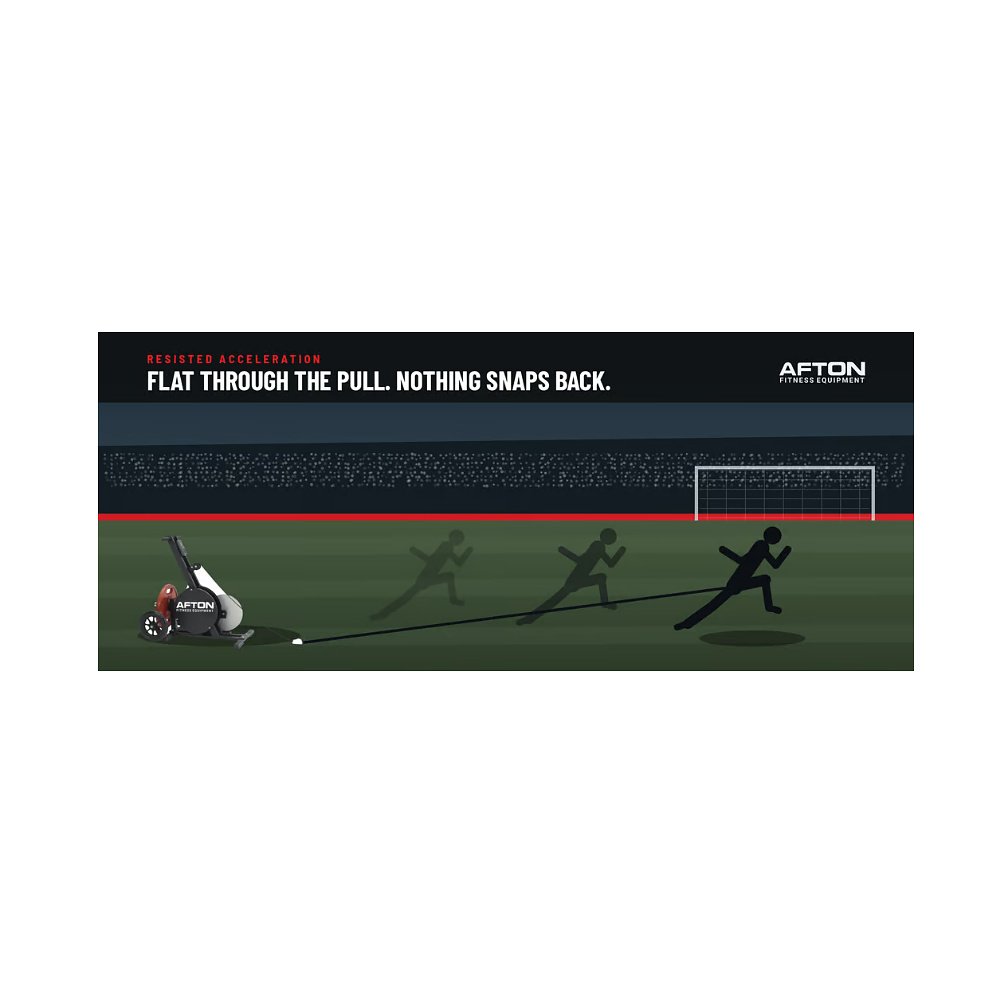
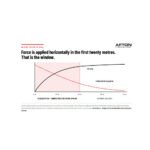
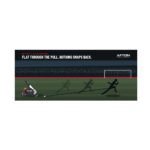
Flat through the pull, not rising with it
Elastic resistance climbs as the athlete moves away from the anchor. The heaviest load therefore arrives late in the rep — in the phase where posture is most upright and most fragile — and the band stores energy that has to go somewhere. A sled loads through friction, which changes with surface, moisture and shoe. A parachute varies with wind.
The Dash holds resistance steady across the pull, and retracts the strap under control at the end of the rep so nothing snaps back at the athlete mid-stride. Steady load is what makes one rep comparable to the one before it — and comparability is the whole basis of progression.
Built for the way coaches actually work
Thirty indexed resistance levels
Turn the knob to dial in intensity, from light acceleration work to heavy push/pull. The digital resistance display shows levels 1–30, so a session is repeatable from day to day and from athlete to athlete without anyone remembering what was on the sled last Tuesday.
Dual pull points
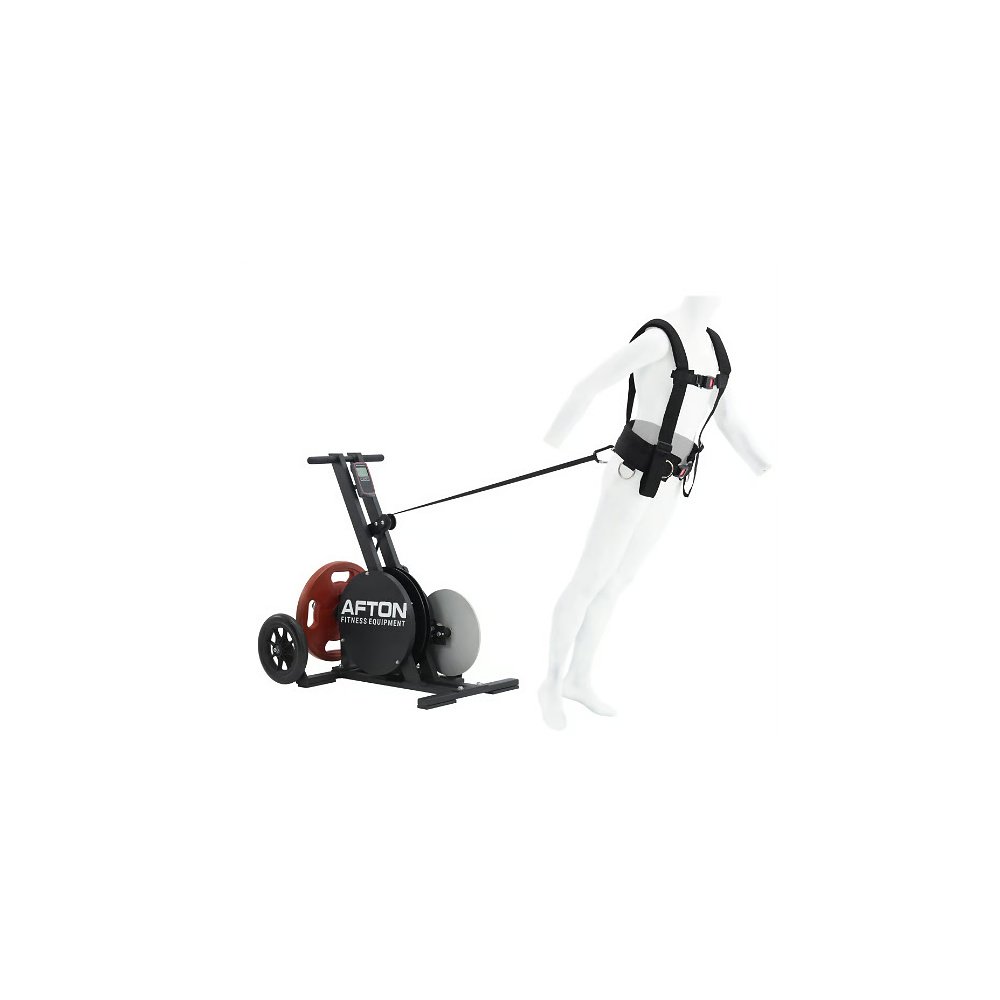
A standard lower roller plus a higher quick-attach point for agility belts and taller athletes — two force vectors from one machine.
Automatic retraction
When the exercise is complete the unit safely retracts the strap. No dangerous pullback, and the athlete never walks back, so rest becomes a coaching decision rather than a logistics one.
Counterbalanced and plate-loadable
The frame is counterbalanced for stability on the ground during use, with an additional Olympic plate loading post for adding counterweight when heavier pulls call for it.
Any surface, indoor or out
Rubber non-marring feet mean it can be used safely on any surface and stop it creeping on high-resistance pulls. Large no-flat wheels move it across turf, track and field turf, or pavement, and camping nails fix it in place on grass. Weather-resistant components throughout.
Measured, not estimated
The multi-function digital console reflects workout data accurately and instantly — which improves training efficiency and helps reduce injury risk, because load is being read rather than guessed.
For the strength & conditioning coach
The problem with prescribing one load for a squad
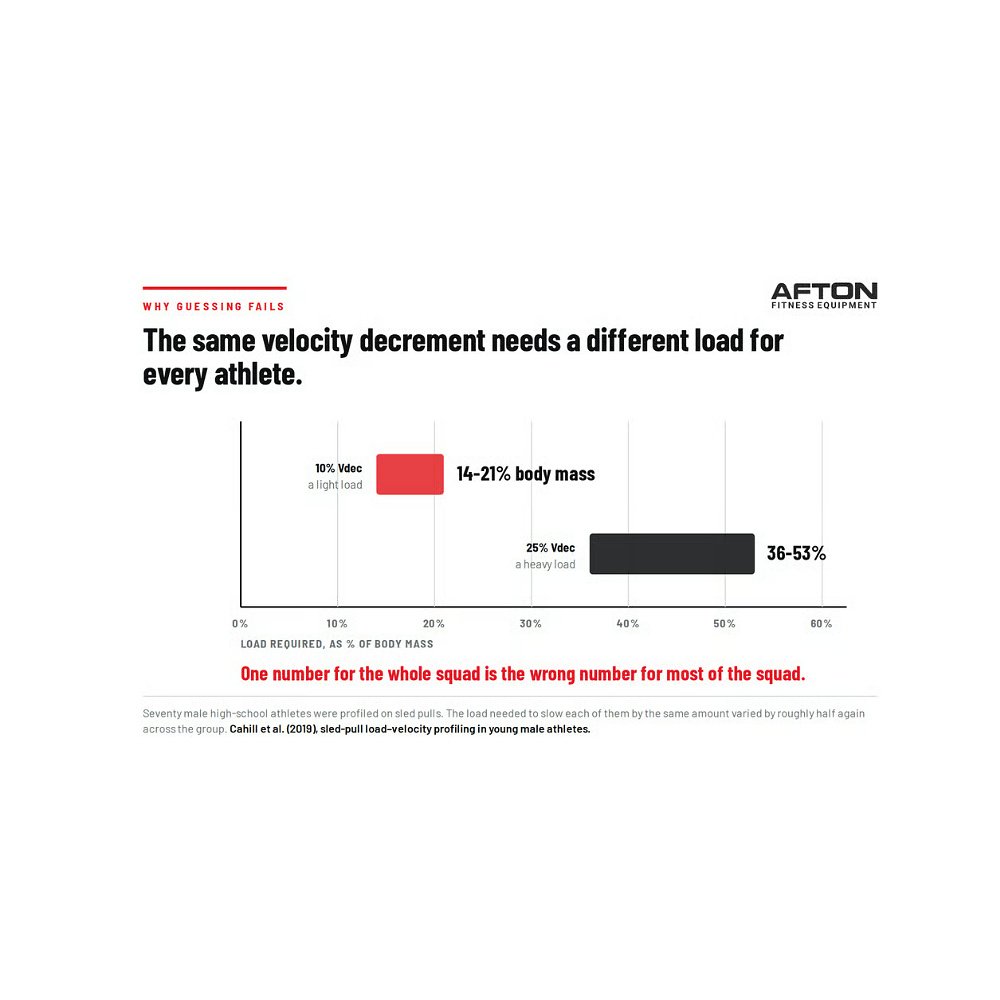
Load-prescription research on resisted sprinting uses velocity decrement — %Vdec, how much slower the athlete runs against resistance compared with their unresisted maximum. The awkward finding is how individual it is. When 70 school-age athletes were profiled on sled pulls, the load needed to slow each of them by the same 10% ranged from roughly 14% to 21% of body mass; for a 25% decrement it ran from about 36% to 53%. One sled load for a whole group means most of the group trains at the wrong intensity.
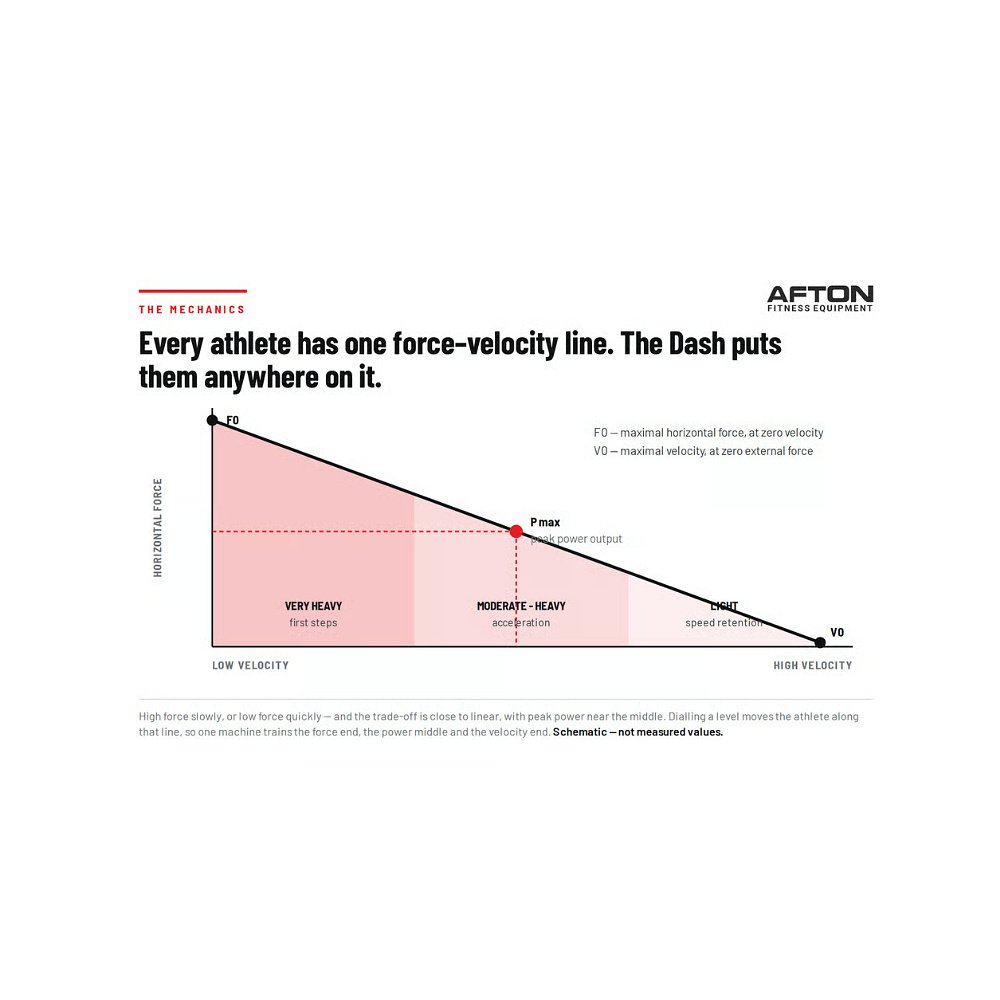
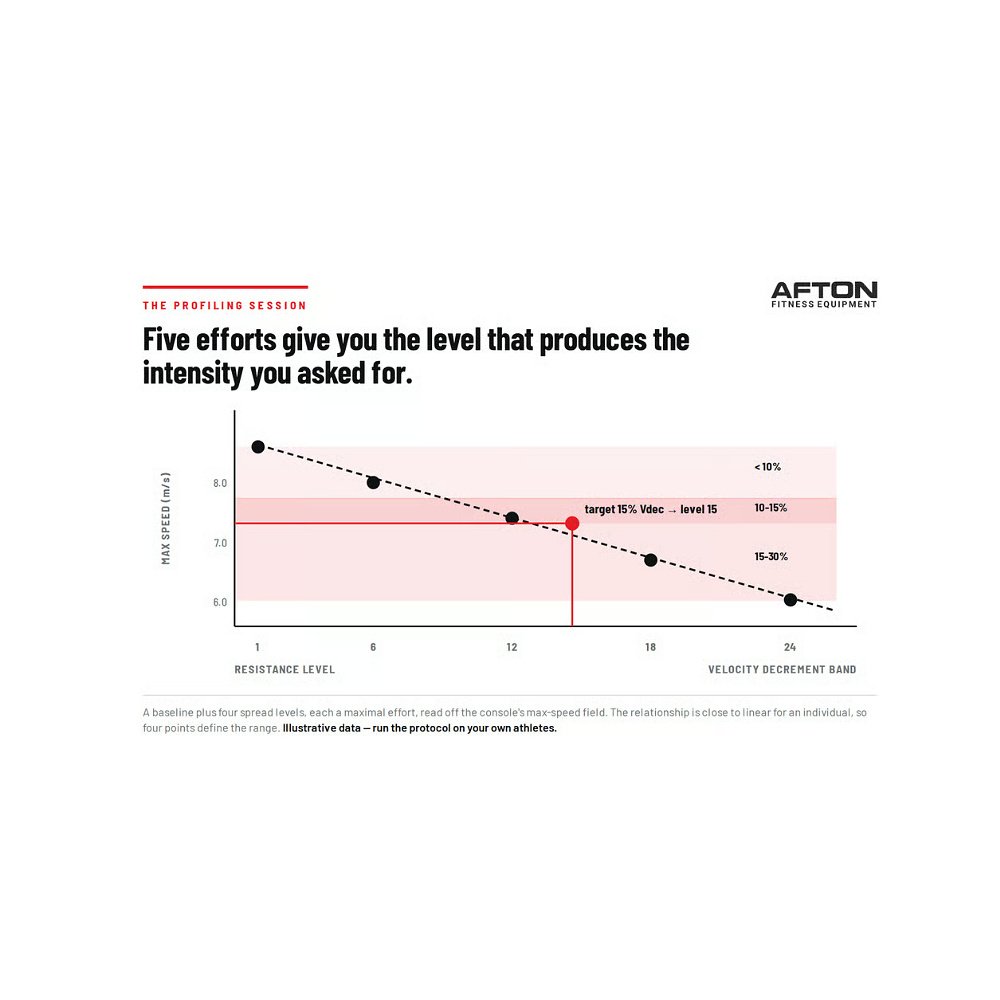
For any individual athlete, though, the load–velocity relationship is close to linear and repeatable. Profiling works. What has been missing on the field is a resistance that can be dialled to a number and returned to exactly — which is what 30 indexed levels and an on-board max-speed readout provide.
Building a load–velocity profile on the Dash
Warm up and familiarise. Resisted sprinting at heavier levels is a skill. Give the athlete two or three submaximal exposures before recording anything.
Record the unresisted baseline. One maximal effort over the working distance with the strap attached at the lightest level. Note max speed — every later number is compared against it.
Step through four levels. Spread them across the range, for example levels 6, 12, 18 and 24. One maximal effort each, with 2–3 minutes between efforts so fatigue does not contaminate the profile.
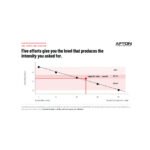
Convert to velocity decrement. For each level: Vdec = (baseline max speed − resisted max speed) ÷ baseline max speed × 100. Plot the four points and read off the level that lands on the decrement the session calls for.
Re-profile every 6–8 weeks, or whenever baseline max speed shifts by more than about 3%.
No radar gun. No timing gates. Twenty minutes and the machine’s own console.
Prescribing by velocity decrement
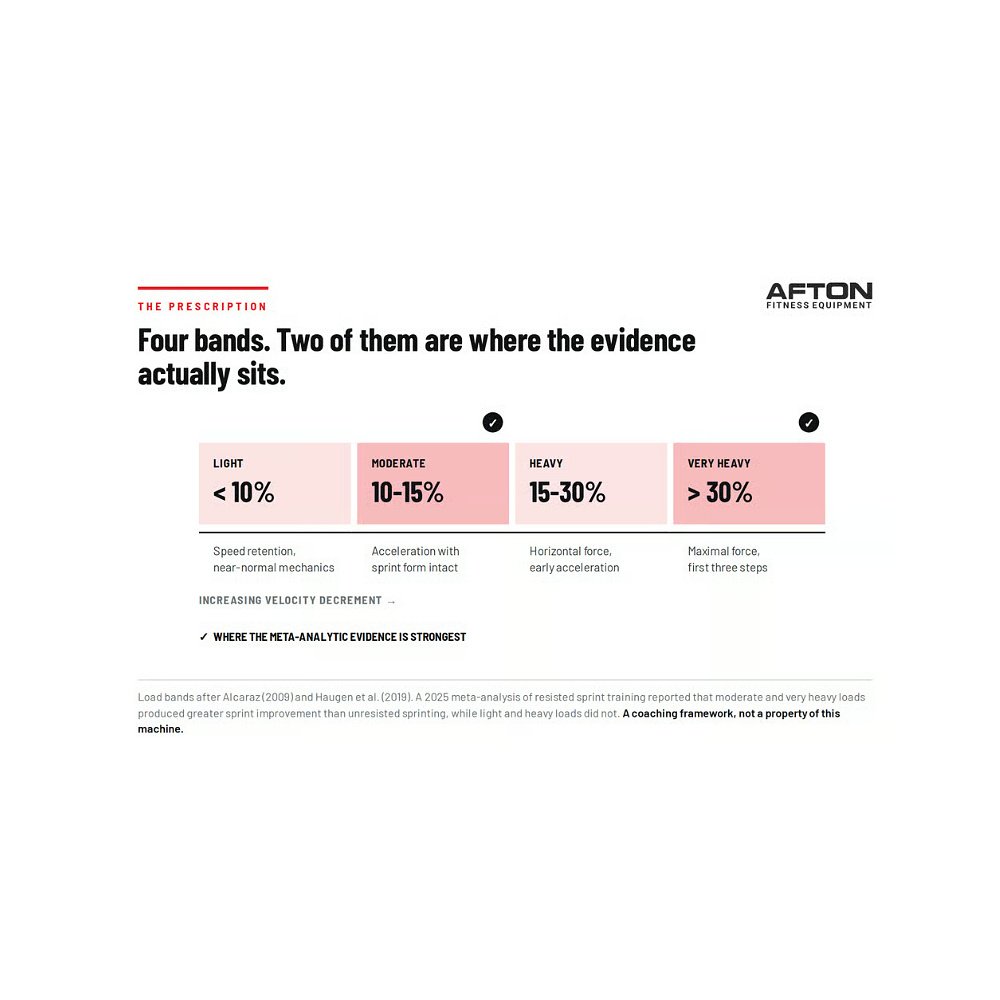
Band Vdec What it develops Where it fits
Light < 10% Speed retention with near-normal mechanics Primer work, return to play, in-season top-up
Moderate 10–15% Acceleration with sprint form largely intact The default working band for most field-sport athletes
Heavy 15–30% Horizontal force production, early acceleration Off-season blocks; strong, well-trained athletes
Very heavy > 30% Maximal horizontal force, first three to five steps Short distances only; posture is deliberately altered
Bands after Alcaraz (2009) and Haugen et al. (2019). A 2025 meta-analysis of resisted sprint training found that moderate and very heavy loads produced greater sprint improvement than unresisted sprinting, while light and heavy loads did not — the bolded rows are where the evidence is currently strongest.
Three sessions to start with
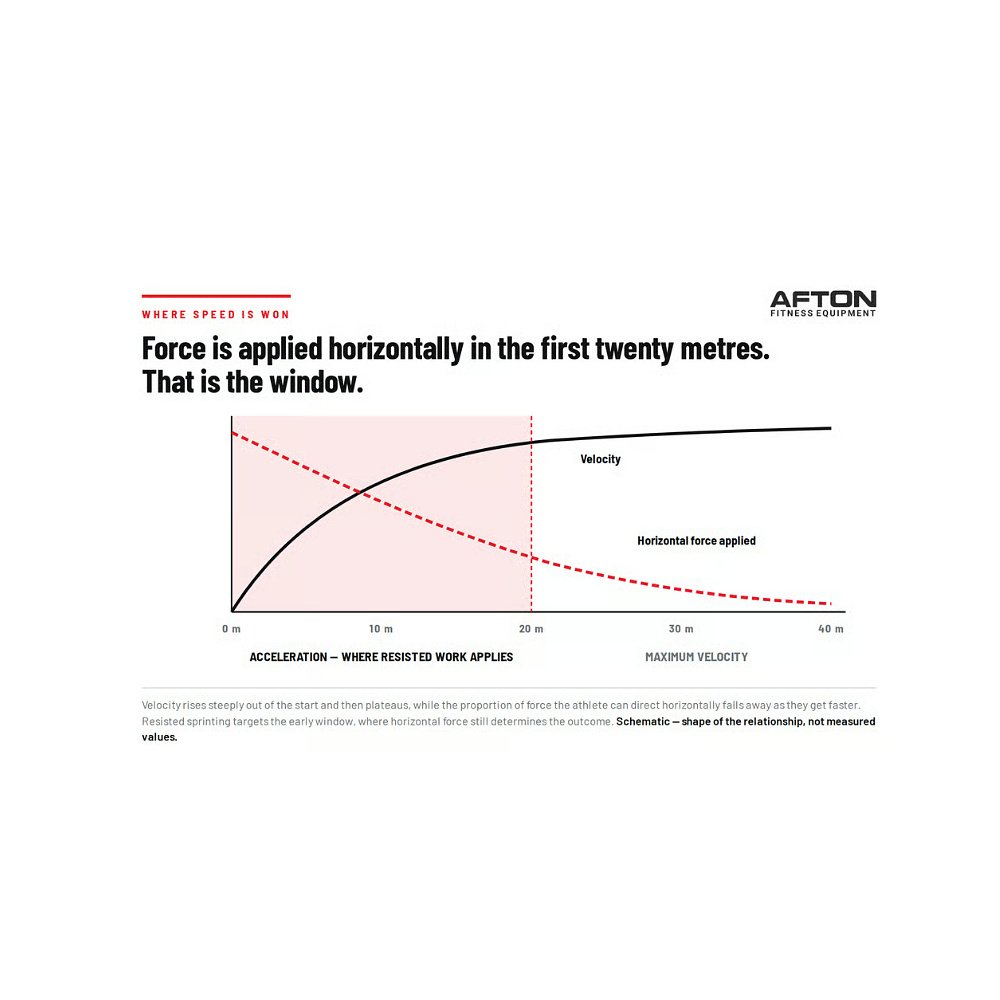
Acceleration — force through the first steps 15–20 m · heavy load, 15–30% Vdec · 4–6 reps · 2–3 min rest · read max speed and peak power
Repeat sprint — shuttle and s-curve work 20–30 m · moderate load, 10–15% Vdec · 6–10 reps · 45–90 s rest · read pulls, distance, and the decay in max speed across the set
Retro running — backward, eccentric emphasis 10–15 m · light to moderate load · 4–6 reps · 90 s rest · read time under load and pulls
These are starting templates, not a prescription. Distances, reps and rest should be adjusted to the athlete, the training phase and the surface.
What the console reads
Time · Calories · Distance · Pulls · Peak power · Load · Max speed, with a running total across the session. Three controls — ON/OFF, UNITS, RESET — and a switch between metric and imperial.
Max speed is the field that drives load prescription. Pulls and distance handle volume. Peak power is the one to watch across a set for signs of fatigue.
Movements it supports
Sprints — straight-line acceleration under load
Shuttle runs — repeated accelerations and decelerations
Retro running — backward running against smooth resistance
S-curve runs — change of direction with the load still on
Push/pull work — heavy settings for general lower-body force
Specification
Model FPR-112
Type Sprint resistance trainer, non-motorised
Resistance 30 levels, infinitely adjustable by knob
Flywheel 20 kg (44 lb) steel
Strap 41 m nylon
Usable run 36.5 m dash and slowdown
Pull points Dual — standard lower roller plus high quick-attach
Console Multi-function digital, metric and imperial
Counterbalance Counterbalanced frame with Olympic plate loading post
Feet Rubber, non-marring
Wheels Large no-flat; camping nails for grass
Finish Durable powder coat
Dimensions (L × W × H) 979 × 710 × 1002 mm (98 × 71 × 100 cm)
Net weight 74.8 kg
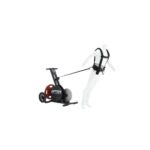
Included Body harness (FHN1)
Environment Indoor and outdoor, weather-resistant components
Warranty Frame and parts, 2 years
Packing Shrink-wrapped for transportation
Country of origin Made in Taiwan
Who it’s for
Team-sport academies where acceleration decides outcomes. University and institutional strength programmes that need one machine to serve a whole squad without recalibrating for every athlete. Commercial gyms building a functional or athlete-development floor. Individual S&C coaches who want session-to-session data without buying a timing system.
It suits the novice and the professional athlete equally, because the load is set from the athlete rather than from the equipment.
FAQ
How do I know what resistance level to use? Profile the athlete. Run one unresisted effort, then four at spread levels, and calculate the velocity decrement at each from the console’s max-speed reading. That gives you the level that produces the intensity your session calls for, for that athlete. The five-step protocol is above.
How far can the athlete run? The strap is 41 m, supporting a full 36.5 m dash and slowdown.
Does it need power? No. The Dash is non-motorised. Resistance comes from a 20 kg steel flywheel.
What happens to the strap at the end of a rep? The unit retracts it automatically and safely. There is no dangerous pullback, and the athlete does not have to walk the strap back.
Can it be used indoors? Yes. Rubber non-marring feet let it work on any surface without marking the floor, and they stop it moving on high-resistance pulls.
Can it be used outdoors? Yes. All components are weather-resistant. On grass, fix the frame with camping nails.
Is a harness included? Yes — a body harness (FHN1) is supplied with the unit.
How is it different from a sled or a parachute? A sled loads through friction, which changes with surface, moisture and shoe. A parachute varies with wind. The Dash holds resistance steady through the pull and is set to an indexed number, so the session is reproducible.
Does it move during heavy pulls? The frame is counterbalanced, and an Olympic plate loading post lets you add counterweight when required.
What warranty applies? One year on frame and parts.



Reviews
There are no reviews yet.